Furneaux holdings in the Domesday book ... and their taxation

The Domesday Book is one of the oldest books held in the UK National Archives, and contains a great deal of information for those of us keen to trace our ancestry. It also has a lot of information about landholdings and, as a consequence, also of taxation and duties.
The Domesday Book provided essential information to King William - about how much land was held, by whom, the value of the land and, consequently, how much tax he could charge
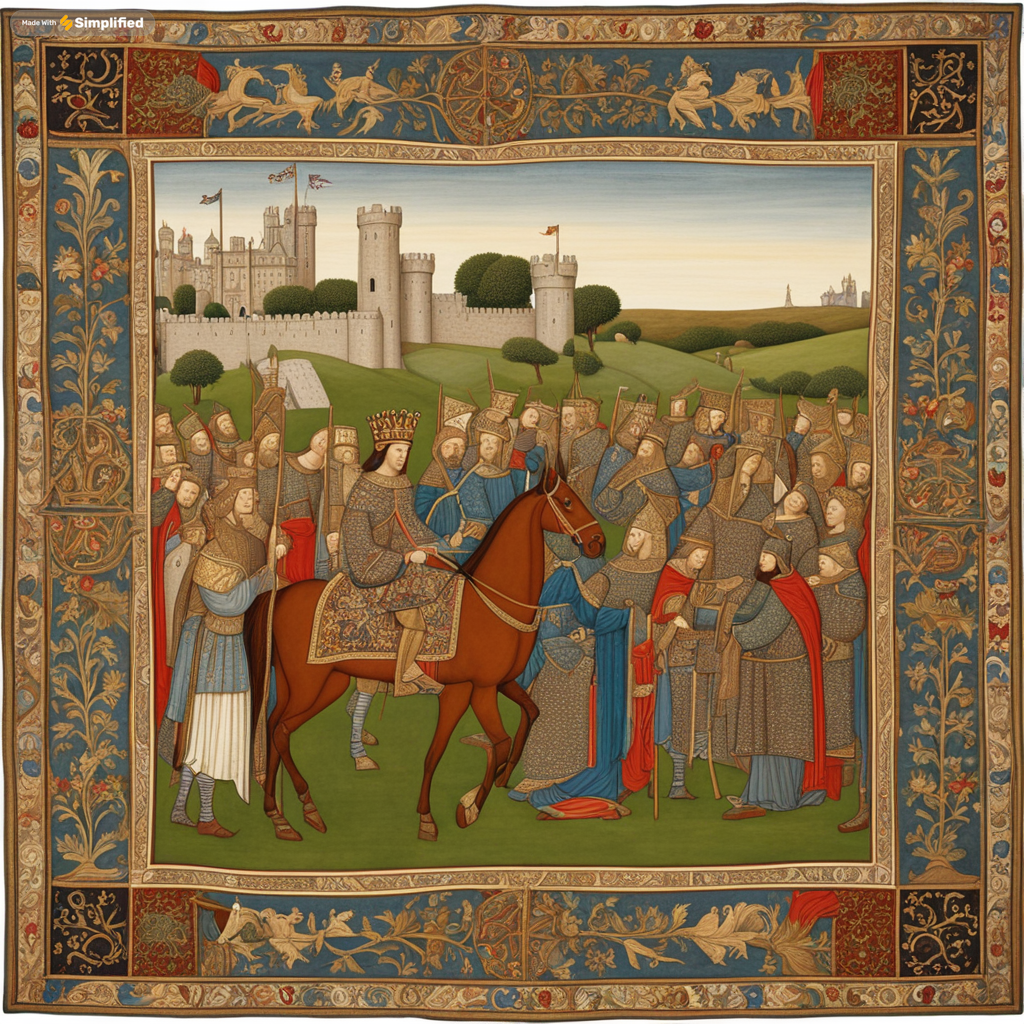
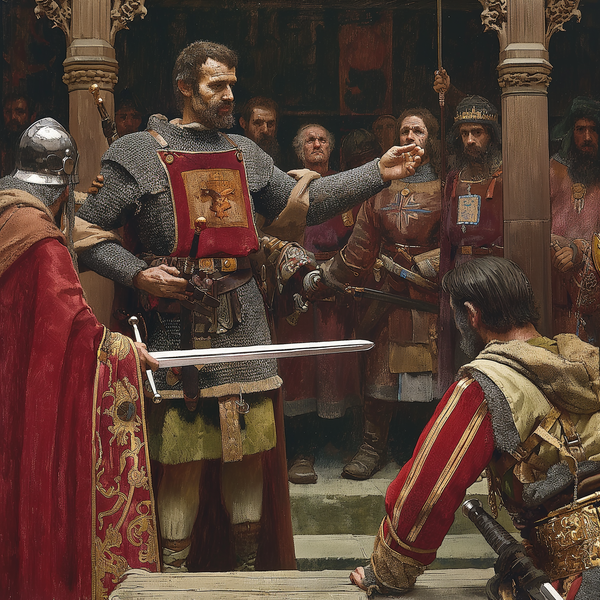
While there is a lot more information than I can cover here, I will focus on the two Furneaux mentioned in the Domesday manuscripts Ansketil and Odo.
Some explanations on the Domesday language are needed before providing a list:
- Hides: The term 'hide' comes from the Old English 'hid', which is the amount of land able to support one household.
- Plough: Amount of taxable land that can be plowed by 8 oxen, which is the same as a 'hide'. Approximately 120 acres, although this varied due to the quality of the land. These range from 40 to 120 acres.
- Demesne: is the land kept by the Lord for his own use.
- Meadow / Pasture: used to graze animals, mainly sheep. According to one source, the value of 1 shilling is 100 pounds today.
- There were 20 shillings to the pound. So, the total tax paid by Odo would be worth 3,000 pounds. For Ansketil, it would be 30,900 pounds.
Summary of Taxation
| Person | Location | Size of Land | Other Taxable Resources | Animals | Other Taxable Resources |
| Odo | Cudworth | 1 plow in demense Villans 1 hide 1/2 plow | 4 acres meadow 8 furlongs 2 wide grazing land | 12 pigs 60 sheep 2 beasts (cattle) | 1 pound 10 shillings |
| Ansketil | Ainderby [Steeple], | 6 ploughlands. 1 lord's plough teams. | 1 church. | 8 shillings | |
| Barham, Chilford, | 3 lord's plough teams. 2 men's plough teams. | Meadow 2 ploughs. 1 mill, value 5 shillings. | 9 pounds | ||
| [East and West] Harling, | 2 lord's plough teams. 5 men's plough teams. | Meadow 12 acres. 1 mill. 1.5 fisheries. | 1 cob (horse) 4 cattle. 20 pigs 70 sheep | 5 pounds | |
| Swannington | 1 lord's plough teams. 1 men's plough teams. | Meadow 4 acres. Woodland | 5 pigs | 1 pound |
Relationship of Tax and Land
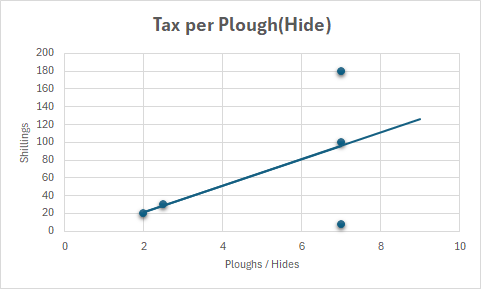
This is obviously a small sample, as the tax was based on the quality of the land, but here is the relationship between the amount of land and the tax payable. There is also additional tax paid (for the highest valued holding) which included a mill.

![Ansketil de Fourneaux [1068]](https://storage.ghost.io/c/a4/db/a4db4510-aa49-46b3-b154-4b5ff7862758/content/images/size/w600/2026/05/anchetil-1.png)